
Summer Construction Survival Guide: How to Manage Crews, Costs, and Heat Delays
How to Keep Construction Projects Moving in Extreme Heat: An Arizona Based Game Plan with National Implications
As summer approaches, construction companies across the country begin preparing for longer days, tighter schedules, and increased demand. But in places like Phoenix, extreme heat isn’t just a seasonal inconvenience it’s a defining factor that can make or break a project. While Arizona contractors have learned to adapt out of necessity, the lessons they apply locally are becoming increasingly relevant nationwide as temperatures rise across the U.S.
Why Heat Is More Than a Comfort Issue
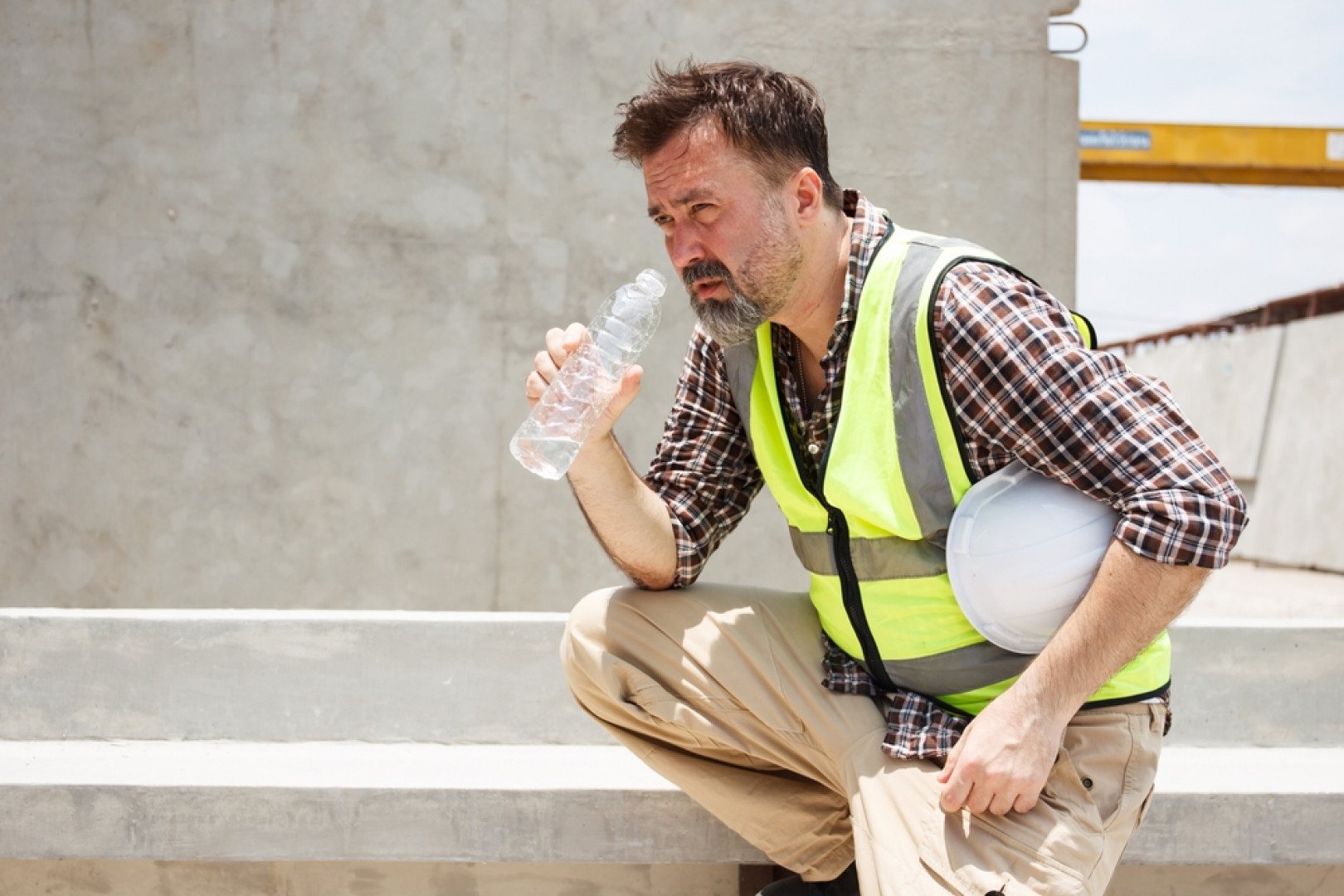
Extreme heat directly impacts productivity, safety, and project timelines. In Arizona, summer temperatures regularly exceed 110°F, forcing crews to adjust not just how they work but when and how long. Nationally, more regions are beginning to experience similar patterns, making heat management a growing concern even in traditionally moderate climates.
Ignoring heat isn’t just risky it’s expensive. Delays, worker fatigue, equipment failure, and safety incidents all increase when proper planning isn’t in place.
Start Earlier, Work Smarter
One of the most effective strategies used across Arizona is shifting work hours. Many crews begin as early as 4:00 or 5:00 a.m. to maximize productivity before peak heat sets in. Some companies even implement split shifts, allowing teams to pause during the hottest part of the day and return in the evening if needed.
Nationally, this approach is gaining traction. Contractors in states like Texas, Nevada, and even parts of California are adopting similar schedules. The takeaway is simple: rigid 8-to-5 schedules don’t work in extreme conditions. Flexibility isn’t optional it’s strategic.
Hydration and Crew Management Are Non Negotiable
Arizona job sites treat hydration like a core part of operations, not an afterthought. That means:
-
Scheduled water breaks (not just “as needed”)
-
Electrolyte replacement, not just water
-
Shaded rest areas readily available on-site
Crew leaders are also trained to recognize early signs of heat exhaustion something that’s becoming more important across the country. Nationally, regulatory bodies are paying closer attention to heat-related safety, and enforcement is tightening.
If you’re not actively managing hydration and recovery, you’re gambling with both your workforce and your timeline.
Adjust Expectations Not Just Schedules
Here’s where many contractors get it wrong: they adjust hours but keep the same production expectations. That doesn’t work.
In extreme heat, productivity naturally declines. Tasks take longer. Workers need more frequent breaks. Equipment may need cooldown periods. Arizona contractors factor this into their bids and timelines upfront—something that’s still overlooked in many other parts of the country.
Nationally, this is a shift that needs to happen. Underbidding a project because you didn’t account for environmental conditions will cost you far more in the long run.
Equipment Performance Takes a Hit Too
Heat doesn’t just affect people it impacts machinery. In Arizona, overheating equipment, reduced efficiency, and increased wear and tear are common during peak summer months.
Smart contractors:
-
Perform more frequent equipment checks
-
Schedule preventative maintenance before summer hits
-
Avoid running machinery continuously during peak heat hours
As more regions experience prolonged heat waves, these practices are becoming essential across the U.S. Equipment downtime in the middle of a critical phase can derail an entire project.
Communication Keeps Everything Moving
Extreme conditions expose weak communication fast. Arizona crews often rely on daily briefings to adjust plans based on weather conditions, crew health, and project status.
This level of communication is something many contractors nationwide can improve. When conditions are constantly changing, your plan needs to be flexible and your team needs to be aligned.
What Arizona Teaches the Rest of the Country
Arizona isn’t just dealing with heat it’s adapting to it at a high level. And as temperatures rise nationwide, those same strategies are becoming less “regional” and more “required.”
The bottom line is this: extreme heat is no longer a localized challenge. It’s a national trend. Contractors who learn to plan for it adjusting schedules, expectations, safety protocols, and equipment management will stay ahead. Those who don’t will continue to deal with delays, higher costs, and avoidable risks.
If you treat heat like a minor inconvenience, it will disrupt your entire operation. If you plan for it like Arizona does, it becomes just another variable you know how to manage.

Trending Blogs

In Arizona, a contractor’s license is more than just a legal requirement — i...

As an Arizona contractor, your reputation and your bottom line often depend on o...

Having a shot at a contracting job in another state can be a surprisingly lucrat...

It's no secret that having an Arizona contractor's license is a must to work in ...

There are a lot of people who are paper contractors. Knowing if you are one is i...

The demand for skilled construction workers remains high across Arizona and the ...

There’s a major difference between being a skilled tradesman and being a succe...

From the expansion of the Loop 303 corridor to the surge in master-planned commu...

A new year brings more than a fresh calendar it brings new opportunities to tigh...

In 2024, Arizona's construction industry experienced significant growth, marked ...