
The Contractor’s Shift From Worker to Owner
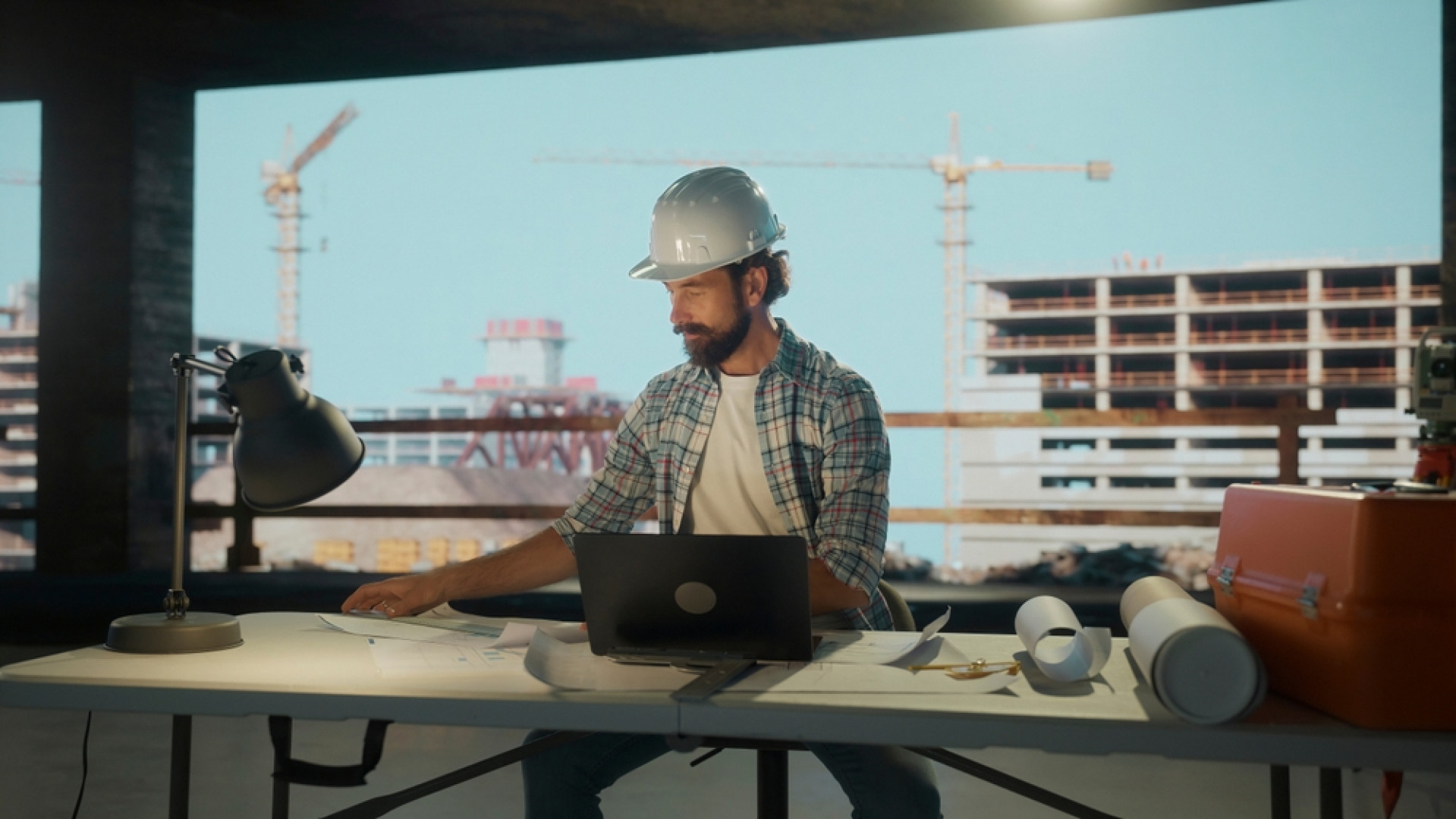
From Skilled Tradesman to Business Owner: The Mindset Shift Arizona Contractors Must Make
There’s a major difference between being a skilled tradesman and being a successful business owner.
In Arizona’s competitive construction market, many contractors hit a ceiling not because they lack skill, but because they never shift their mindset. They’re excellent at the work. But business ownership requires a completely different skill set.
If you want to grow beyond “busy and stressed,” this shift is non-negotiable.
Skill Pays the Bills — But Strategy Builds Wealth
Being great at framing, plumbing, electrical, HVAC, or concrete will get you work. That’s step one.
But long term growth? That comes from systems, planning, and leadership.
Many contractors stay stuck because they operate in technician mode:
-
They solve every problem themselves.
-
They underprice to win jobs.
-
They react instead of plan.
-
They measure success by how busy they are.
Busyness is not profitability.
A true business owner measures:
-
Net margin
-
Job costing accuracy
-
Pipeline strength
-
Team performance
-
Long term scalability
If you don’t know your numbers weekly, you’re operating blind.
Stop Pricing From Fear
One of the biggest mindset gaps is pricing.
Skilled tradesmen often price emotionally:
-
“If I bid too high, I won’t get the job.”
-
“I need the work.”
-
“The other guy will do it cheaper.”
That fear based pricing traps you in survival mode.
A business owner prices based on:
-
Overhead
-
Labor burden
-
Material volatility
-
Insurance costs
-
Profit margin targets
-
Risk tolerance
When you understand your true costs, you stop guessing. And when you stop guessing, you stop undercutting yourself.
You don’t need every job. You need the right jobs.
Delegation Is Not Weakness It’s Leverage
Another hard shift: letting go.
If every estimate, material pickup, scheduling call, and on-site decision runs through you, you don’t own a business you own a job.
A business owner builds:
-
Clear processes
-
Defined roles
-
Accountability systems
-
Documentation standards
Delegation doesn’t mean lowering standards. It means training others to uphold them.
Yes, mistakes will happen. But if you’re always the bottleneck, growth stops with you.
The goal isn’t to be the best worker on every jobsite.
The goal is to build a company that performs consistently with or without you physically present.
Think Five Years Ahead, Not Five Days
Many contractors operate week to week.
That’s dangerous.
Arizona construction cycles shift. Markets cool. Interest rates move. Regulations tighten. Agencies like the Arizona Registrar of Contractors adjust enforcement priorities.
If you’re only planning for the next project, you’re exposed.
A business owner asks:
-
What will my company look like in five years?
-
Do I want crews running jobs without me?
-
Am I building something sellable?
-
Am I investing in continuing education and compliance?
-
What systems would survive an economic slowdown?
Short term hustle builds income.
Long term planning builds security.
Reputation Is a Long Game
A skilled tradesman focuses on completing the task.
A business owner focuses on brand equity.
That means:
-
Clean contracts
-
Proper documentation
-
Timely communication
-
Inspection readiness
-
Compliance discipline
Regulatory bodies like the Occupational Safety and Health Administration and state agencies don’t just enforce rules they shape reputations.
One complaint.
One failed inspection.
One licensing issue.
That’s how growth stalls.
Strong businesses treat compliance as part of brand protection not as an afterthought.
Leadership Starts With Emotional Control
This may be the hardest shift of all.
Construction is stressful. Schedules slip. Materials get delayed. Clients change scope. Crews miss details.
But leadership is composure under pressure.
A tradesman reacts emotionally.
A business owner responds strategically.
Your team watches how you handle conflict, delays, and setbacks. If you operate in frustration, your culture will reflect it. If you operate with discipline and clarity, your company stabilizes.
You set the temperature.
From Income to Asset
Here’s the ultimate difference:
A skilled tradesman earns income.
A business owner builds an asset.
An asset:
-
Runs on systems
-
Has predictable margins
-
Can be sold
-
Has transferable processes
-
Has documented financials
If you stepped away for 90 days, would revenue collapse?
If the answer is yes, you’re still operating as the technician.
There’s nothing wrong with being hands-on. But if growth is the goal, your role must evolve.
The Bottom Line
Arizona doesn’t lack skilled contractors. It lacks contractors thinking like CEOs.
The shift is uncomfortable. It requires:
-
Tracking numbers
-
Raising prices strategically
-
Letting others lead
-
Thinking long-term
-
Treating compliance seriously
But that shift is what separates surviving from scaling.
You already have the trade skill.
The question is: are you ready to build the business behind it?

Trending Blogs

In Arizona, a contractor’s license is more than just a legal requirement — i...

As an Arizona contractor, your reputation and your bottom line often depend on o...

Having a shot at a contracting job in another state can be a surprisingly lucrat...

It's no secret that having an Arizona contractor's license is a must to work in ...

There are a lot of people who are paper contractors. Knowing if you are one is i...

The demand for skilled construction workers remains high across Arizona and the ...

There’s a major difference between being a skilled tradesman and being a succe...

From the expansion of the Loop 303 corridor to the surge in master-planned commu...

A new year brings more than a fresh calendar it brings new opportunities to tigh...

In 2024, Arizona's construction industry experienced significant growth, marked ...
Posted on 2026-03-06 17:00:38
Posted on 2026-03-08 11:29:47
Posted on 2026-03-14 21:02:45